Emma Norman, Learning and Pilots Manager. University of Exeter.
Introduction: Understanding ‘romantic relationships’ and the diversity of lived experience
The course of true love never does run smooth. Romantic relationships are deeply personal, with everyone who seeks them experiencing them differently.
Where successful and healthy, romantic relationships can have strong positive personal impacts, contributing to mental and physical health and well-being (Gómez-López et al., 2019; Apostolou et al., 2023).
However, not all relationships are healthy:
- In the year ending March 2025, 3.8 million people aged 16 and over in England and Wales experienced domestic abuse, with over half that figure being women (ONS, 2025a).
- 1 in 4 women in England and Wales experience domestic abuse with some women disproportionately affected, including those with disabilities (Refuge, n.d.).
- This group are already more likely to experience sexual harassment or assault (Molenaar et al., 2025; Sinmaz and agency, 2025) and includes neurodivergent women.
Although all neurodivergent women face increased risks of relationship difficulties or abuse (Pearson et al., 2024), research to date focuses on autistic women’s romantic experiences (e.g. Sedgewick and Douglas, 2023), leaving those of ADHD women underexplored. We are therefore potentially depriving many individuals with ADHD – and their future partners – of the chance to understand what a healthy relationship looks like for them, particularly as Relationship and Sex Education (RSE) has yet to catch up with the growing numbers of children seeking a diagnosis (DfE. 2025a).

This blog begins to examine – in a non-exhaustive way – what current research reveals. It also identifies potential gaps in this developing area of study that might help us in educating students about what healthy, inclusive romantic relationships look like. It is inspired and driven by my own personal experience navigating a late AuDHD diagnosis whilst in a long-term relationship.
It does, I am afraid, include a lot of links in case you want to check out any of this research for yourself – or share with a loved one.
Firstly, what is ADHD, and what do we currently understand about women and diagnosis?
Attention-deficit/hyperactivity disorder (ADHD) is a neurobehavioral disorder characterised by symptoms of inattentiveness, distractibility, hyperactivity, and impulsivity which interfere with day-to-day functioning (Psychology Today, 2026; ADHD UK, n.d.). Symptoms can present differently depending on age and gender but must have been present before the age of 12 for someone to receive a diagnosis, which will be based on one of 3 presentations (APA, 2022):
- Predominantly Inattentive
- Predominantly Hyperactive-Impulsive
- Combined Presentation: where symptoms of both the above criteria were present.
Increased awareness and visibility have led to increased demand for ADHD support (Martin et al., 2025; Glyn Jones and Hoskin, 2023).
Much of this demand comes from women (Topping, 2023; Wise, 2026), reflecting greater recognition of gender differences in ADHD presentation (Wilson, 2026; NHS SLaM, 2025):
- Girls and women’s symptoms are more likely to involve inattentiveness and may be masked in response to social expectations;
- Boys and men are more likely to exhibit overt hyperactive and impulsive behaviours, which are aligned more closely with traditional diagnostic criteria.
Because their symptoms present differently, women remain frequently diagnosed later than men (Baig and Kahya, 2025; Hinshaw et al., 2022). With most women over 16 in or having been in a relationship (ONS, 2025b), an adulthood diagnosis increases their likelihood of receiving a diagnosis after experiencing romantic relationships – as I did. The growing number of women receiving ADHD diagnoses highlights the importance of understanding how ADHD can shape women’s experiences of the world, including romantic relationships, which remain a significant life experience for many.
So, what do (and don’t) we know about ADHD women’s romantic relationship experiences?
Adults with ADHD can experience poor quality romantic relationships.
This will obviously not be true of everyone who has ADHD. But relationship challenges often form part of the diagnostic process since criteria includes impairment in personal settings caused by ADHD symptoms (APA, 2022). Inattention, impulsivity, and mood instability can negatively impact mental, emotional and behavioural elements of sexuality and thereby sexual relationships. For example:
- Impulsivity symptoms can hinder use of protective methods against sexually transmitted infections and lead to unwanted pregnancies (Young and Cocallis, 2023).
- Difficulties with emotional self-regulation (de la Fuente et al., 2019) can mean individuals with ADHD struggle managing conflict and have more tumultuous intimate relationships, with greater number of partners (Margherio et al., 2021), and higher rates of divorce (Klein et al., 2012, VanderDrift et al., 2019).
- Some excessively prioritise their partner’s needs to try and maintain relational security – but their deep need for validation, driven by rejection sensitivity, often leads to relational overinvestment, a lack of boundaries, and emotional burnout (O’Brien et al., 2025).
- Individuals with ADHD have a greater risk of perpetrating and of suffering sexual or intimate partner violence, a risk potentially linked to struggles with emotional self-regulation (Arrondo et al., 2023).
None of these examples have broken results down by the 3 ADHD symptom presentations, which may impact how and if individuals with ADHD experience difficulties in romantic relationships.
While writing this blog, I largely encountered studies taking a ‘deficit model approach’ (see Lai et al, 2025), focusing on the impairments experienced by those with ADHD. Only one piece alluded to how some traits associated with ADHD – such as creativity and ‘hyperfocusing’ on romance – may strengthen relational bonds; but even then, the authors acknowledged that the small amount of literature on romantic relationships of adults with ADHD demonstrated clear negative comparisons against non-affected peers (Wymbs et al, 2021).
One recent study (Desille and Alba, 2026) showed that through their dysregulation, some individuals with ADHD experienced increased over-compensatory response mechanisms to either withdraw and avoid or move more intensely toward their partners, impacting sexual satisfaction. What was noticeable here, but not discussed by the authors, was that most of their participants were female.
And so, what of women’s experiences?
Some studies suggest that women with ADHD experience greater interpersonal social and relational difficulties than men with ADHD, and speculate that ADHD symptoms may be more distressing for young women, as men may be less likely to perceive these difficulties as impairing (Wymbs et al, 2021).

However, other research found that women with ADHD were more impaired in their romantic relationships than women without ADHD – but that women with ADHD did not have more romantic relationship impairment than men with ADHD (Babinski et al., 2011a). Notably this study was about women diagnosed with ADHD in childhood (we’ll come back to late-diagnosed women).
ADHD can be associated with riskier sexual behaviour in women (Hosain et al., 2012). Another study (Wallin et al., 2022) highlighted several themes from feelings expressed by young, diagnosed women:
- Wanting partners to understand their emotions and behaviours, and accept them for who they are
- Living with intense emotions, which could influence the type of relationship they entered (e.g. one-night stands) and the stigma they felt for engaging openly in sexual activities
- Self-acknowledgement of their symptoms made it easier to develop strategies to improve sexual encounters.
What would be interesting to know – and is hinted at above – is whether the stereotypes that hinder in women receiving early ADHD diagnoses (e.g. stigma attached to being different) also impact women who are in relationships while receiving a diagnosis.
In fact, it remains unclear what romantic relationship experiences can be like for late-diagnosed ADHD women.
Most women receiving an ADHD diagnosis are aged 25-40 (European College of Neuropsychopharmacology, 2025; Marsh and Aguilar, 2024) – ages where many are in a romantic relationship (Schaeffer, 2024), or seeking one (Tinder, 2024).
The diagnosis itself is a deeply personal experience that is different for everyone. In one study, women diagnosed with ADHD during either adolescence or adulthood tended to evolve a more positive self-perception, as their diagnosis provided an explanation for their differences (Keys et al., 2025). For some, the diagnosis comes as a relief and allows them a language by which to foster improved relationships with loved ones; for others, it can be traumatic knowing their lives could be different had they received treatment earlier; and for some, it led to initial denial (Morgan, 2023).
Emerging research shows late diagnosis can harm women’s romantic relationships. For example:
- Late-diagnosed ADHD women can feel like “the odd one out” in relationships. Many describe the confusion and pain of giving a lot of themselves in relationships but receiving little in return, alongside feeling misunderstood when they react strongly to their emotions without feeling in control of them and being therefore perceived as being angry. Heartbreakingly, all participants in this study believed that their lives could have been different if they had received their diagnosis earlier in life (Qvale and Piech, 2025).
- Some late-diagnosed ADHD women admitted to masking symptoms to meet social norms and gender-based expectations of behaviour in settings including romantic relationships – which in turn delayed them receiving a diagnosis and support (Holden and Kobayashi-Wood, 2025).
But it remains unclear how couples experience one or both partners receiving an ADHD diagnosis, particularly for long-term relationships or families.
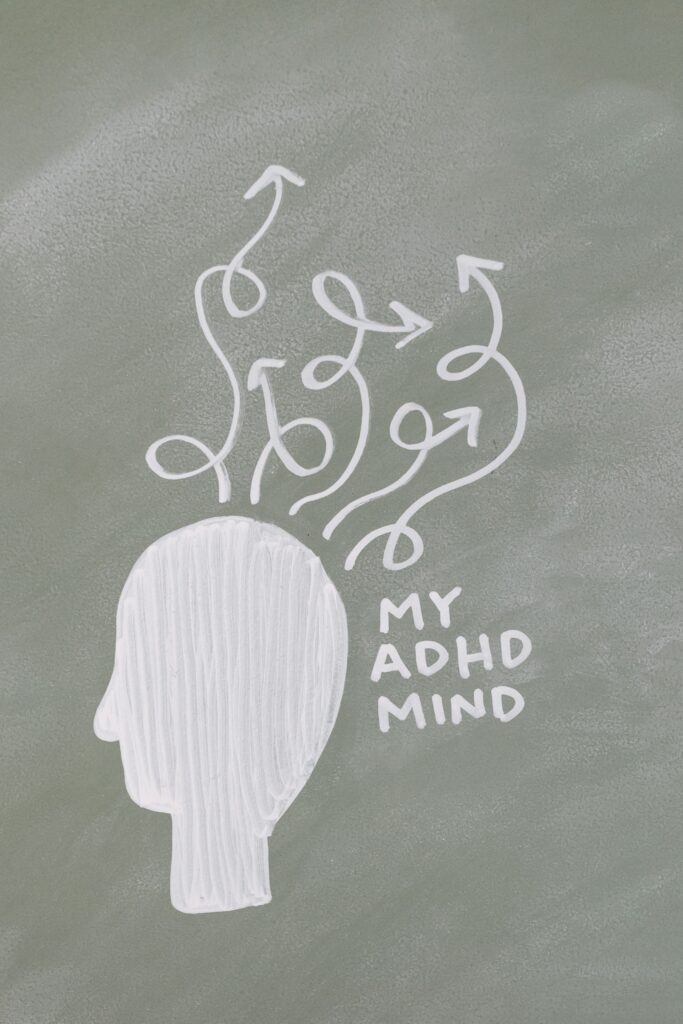
While everyone’s reactions are different, research shows that an ADHD diagnosis can change how individuals perceive themselves and how others perceive them. Given the tone of the research listed here is largely negative, it is perhaps unsurprising that adults with ADHD frequently experience stigma about their diagnoses, from ableist prejudices to assumptions that those with ADHD are violent and unreliable (Ginapp et al, 2023). So:
- How might this impact how a partner sees a loved one experiencing a diagnosis? Does their knowledge of that person change? Particularly if you through the assumptions that ADHD symptoms are inherently not feminine into the mix?
- How does being in a relationship with children impact the experience of diagnosis? After all, many women begin the process of getting a diagnosis after their child has been diagnosed with ADHD (Attoe and Climie, 2023).
- How might the menopause impact ADHD women’s relationships (Moseley et al., 2026), including if a diagnosis occurs in this period while in a relationship?
A wealth of support exists for those diagnosed with ADHD – but much of it requires independent research and education, alongside knowing that you may have ADHD.
One positive of increased awareness of ADHD is that it has become more prominent in popular culture, for example through ADHD Awareness Month, increased portrayal of characters with ADHD, and social media. As of May 2022, the hashtag #adhd had 11.4 billion views on TikTok (Abdelnour et al., 2022). Personal experience videos received the highest engagement (Yeung et al., 2022), reflecting desires for those undiagnosed to feel understood.
What does this mean for education?
As awareness of ADHD in women grows, efforts should focus on translating this knowledge into earlier support for younger generations, who also experience romantic relationships (Brar et al., 2023). Adolescents with ADHD experience many of the same issues highlighted in this blog (Rokeach and Weiner, 2014), with girls diagnosed with ADHD having fewer romantic relationships than neurotypical peers (Babinski et al., 2011b). If the above illustrates nothing else, it is that earlier diagnosis and awareness may have helped many women with ADHD avoid some of the negative experiences they had.

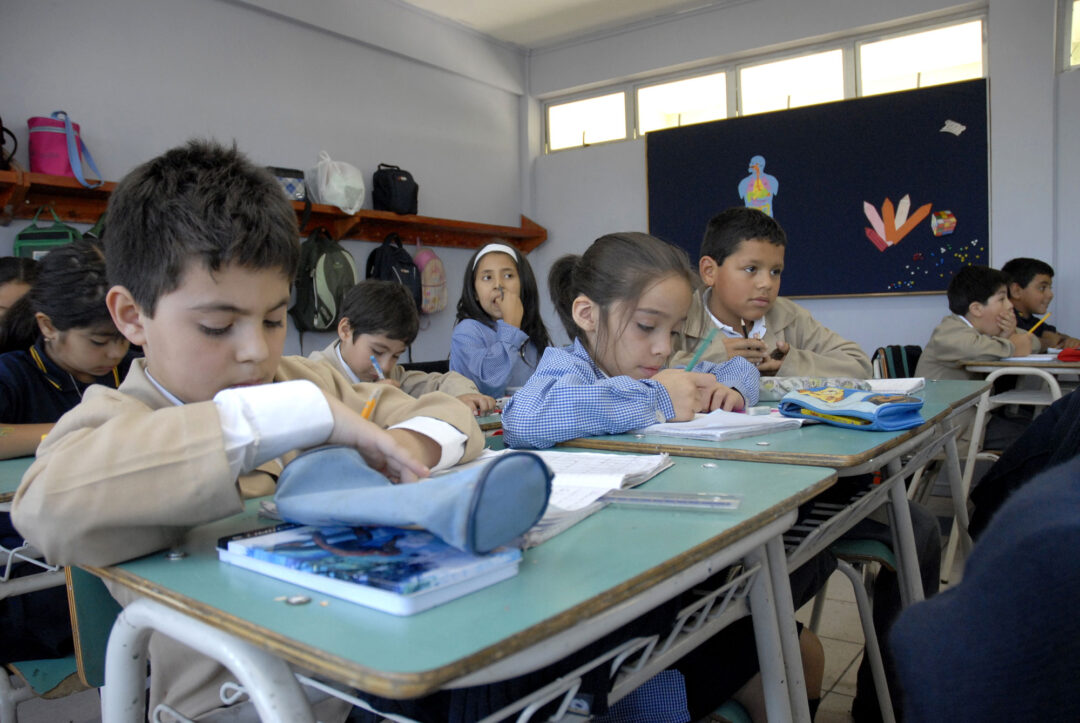
However, current RSE guidance (DfE, 2025a) refers to neurodiversity only to emphasise accessibility and schools’ responsibility to tailor resources to students’ needs. Guidance ignores the increase in children receiving neurodiversity diagnoses (Sample, 2024), with RSE through a neurodivergent lens omitted from the DfE’s recent consultation (2025b). Moreover, girls with ADHD are disproportionately missed in schools (Shelford, 2025; Lynch and Davison, 2022) contributing to delayed diagnosis in adulthood, with many teachers lacking confidence and training to adapt RSE effectively (Fox and Riley, 2025). RSE may therefore fail to equip students to navigate healthy relationships.
The Instagram algorithm guessed that I had ADHD 2 years before I sought a diagnosis. Although I initially joked about it, it made me reflect on challenges I was experiencing that others didn’t seem to share. If that happens, you now only need type something akin to ‘ADHD support’ or ‘ADHD and relationships’ into Google to find more guidance on understanding and navigating life with ADHD than a person could ever hope to read. Those around you, including a partner, need only do the same, which can help curate a shared language for you both to explore life with ADHD together.
However, 52% of ADHD-related TikTok videos have been found to be inaccurate (BBC, 2026). If online spaces continue to be the main avenue that we – and particularly young people – use to find out more about themselves, how do we know they are being accurately and adequately supported? Particularly if young people are to be removed from online spaces (DSIT, 2026), we need to ensure their education makes room for them to discuss these topics in a safe, informed way.
It isn’t just about neurodivergent girls and women recognising what this means for them.
Women’s Aid’s definition of a healthy relationship places support at the centre. While adults with ADHD struggle with interpersonal relationships, social support can increase functioning: for example, a supportive spouse has been described as helping adults with ADHD stay organized and keep up with life tasks (Ginapp et al., 2023).
Wallin et al. (2022) show the importance both of partners understanding their ADHD partner’s emotions and behaviours, and accepting them for who they are, and of the individual knowing themselves to recognise the influence their symptoms may have over their romantic experiences. The role of RSE in schools is to help individuals understand what a healthy relationship looks like for them and how to perpetuate healthy relationships. If we aren’t discussing this in classrooms, how else do we address the issues of intolerance, misunderstanding, and exclusivity that contribute to some of the unhealthy experiences those with ADHD face, as outlined above?
Much remains unknown, which could also inform neuro-affirmative RSE.
For example:
- How might intersectionality of neurodiversity impact how you experience a diagnosis while in a romantic relationship? ADHD often co-occurs with other psychiatric diagnoses, particularly those with autism spectrum disorder, bipolar disorder and tic disorders (Johnson et al., 2026).
- How might this vary by age?
- How do impacts on other areas of life – career, success – affect relationships? Inattention, hyperactivity, and impulsivity associated with ADHD may impair completing school, securing employment, living independently, relationships with substances, as well as negotiating romantic relationships (Johnson et al., 2026, Babinski et al., 2011b).
- Recent research on strength-based approaches showed that a greater use of personal strengths was more strongly associated with better wellbeing, higher physical, psychological, and social quality of life and lower levels of depression for those with ADHD (Hargitai et al., 2025). Does this transpire into romantic settings where partners and individuals acknowledge their strengths?
We haven’t even yet begun to explore the impact of negative press on ‘overdiagnosis’ (e.g. O’Sullivan, 2025) in how seriously partners might take a disclosure. Some researchers have already warned medical providers that focusing on ‘overdiagnosis’ may cause harm, create additional barriers to care, and add to the stigma towards individuals’ requests for help (Cortese et al., 2026; Abdelnour et al., 2022).
Moreover, only around 1 in 9 of all adults with ADHD receive a formal diagnosis (O’Nions et al., 2025). This has resulted in long waiting lists, varying across the UK from 12 weeks to 10 years for adults (ADHD UK, 2023). There will therefore be many women still struggling without being sure why, or without access to support.
Reflections
Some questions to ask ourselves might include:
- do we appropriately support neurodivergent women in domestic abuse support and RSE, knowing they may be more vulnerable?
- do we appropriately educate all age groups to recognise what a healthy relationship looks like for you, and how to foster this with a partner – including through diagnosis?
- do we yet appropriately challenge stereotypes of ADHD in the classroom, and how might this be woven into initiatives to address violence against women and girls (Phelan et al., 2025)?
For my part, I never expected to receive a late AuDHD diagnosis (having assumed my struggles were normal) and was grateful to have my partner’s support throughout the process. However, I often wonder how different that experience might have been without it. As research advances, I hope we can ensure all women have access to the knowledge and support they need—not just those fortunate enough to find it.
References:
Abdelnour, E., Jansen, M.O., and Gold, J.A. (2022) ‘ADHD Diagnostic Trends: Increased Recognition or Overdiagnosis?’, The Journal of the Missouri State Medical Association, 119 (5), pp.467-473. https://pmc.ncbi.nlm.nih.gov/articles/PMC9616454/
ADHD UK (n.d.) What is ADHD. https://adhduk.co.uk/about-adhd/
ADHD UK (2023) ADHD UK’S report into NHS ADHD assessment waiting lists October 2023. https://adhduk.co.uk/nhs-adhd-assessments-waiting-lists-report/
American Psychiatric Association (APA) (2022) Diagnostic and statistical manual of mental disorders : DSM-5-TR. 5th edn. American Psychiatric Association. https://doi.org/10.1176/appi.books.9780890425787
Apostolou M., Christoforou C., and Lajunen, TJ. (2023) ‘What are Romantic Relationships Good for? An Explorative Analysis of the Perceived Benefits of Being in a Relationship’, Evolutionary Psychology, 21 (4). https://doi.org/10.1177/14747049231210245
Arrondo, G., Osorio, A., Magallón, S., Lopez-del-Burgo, C., and Cortese, S. (2023) ‘Attention-deficit/hyperactivity disorder as a risk factor for being involved in intimate partner violence and sexual violence: a systematic review and meta-analysis’, Psychological Medicine, 53 (16), pp. 7883-7892. https://pmc.ncbi.nlm.nih.gov/articles/PMC10755239/
Attoe, D. E., and Climie, E. A. (2023). ‘Miss. Diagnosis: A Systematic Review of ADHD in Adult Women’. Journal of Attention Disorders, 27 (7), pp.645-657. https://doi.org/10.1177/10870547231161533
Baig, S. K., and Kahya, H. H. (2025) ‘‘I felt like a broken person’: the experiences of women navigating a late ADHD diagnosis in the UK’, Advances in Mental Health, pp. 1–25. https://doi.org/10.1080/18387357.2025.2524513
Babinski, D.E., Pelham, W.E. Jr., Molina, B.S., Waschbusch, D.A., Gnagy, E.M., Yu, J., Sibley, M.H., and Biswas, A. (2011a) ‘Women with Childhood ADHD: Comparisons by Diagnostic Group and Gender’, Journal of Psychopathology and Behavioral Assessment, 33 (4), pp.420-429. https://doi.org/10.1007/s10862-011-9247-4
Babinski, D.E., Pelham, W.E. Jr., Molina, B.S., Gnagy, E.M., Waschbusch, D.A., Yu, J., Maclean, M.G., Wymbs, B.T., Sibley, M.H., Biswas, A., Robb, J.A., Karch, K.M. (2011b) ‘Late adolescent and young adult outcomes of girls diagnosed with ADHD in childhood: an exploratory investigation’, Journal of Attention Disorders, 15 (3), pp.204–214. doi:10.1177/1087054710361586.
Brar, P., Boat, A. A., and Brady, S. S. (2023). ‘But He Loves Me: Teens’ Comments about Healthy and Unhealthy Romantic Relationships’, Journal of Adolescent Research, 38 (4), pp.632-665. https://doi.org/10.1177/07435584221079726
BBC (2026). ‘False online posts fuel self-diagnosis, says study’, BBC, 20 March. https://www.bbc.co.uk/news/articles/cvg347487dlo
Cortese, S., Daley, D., Hollis, C., Rae, S., Ani, C., Asherson, P., Downs, J., Dubicka, B., Foreman, D., Green, J., Heyman, I., Hodes, M., Kyriakopoulos, M., Liang, H., Majumder, P., McArdle., P., Müller-Sedgwick, U., Newlove-Delgado, T., Nicholls, D., Ougrin, D., Price, A., Russell, A., Salazar-de-Pablo, G., Santosh, P., Sayal, K., Scott, S., Shaw, P., Simonoff, E., Wickersham, A., Wilkinson, P., Young, S., and Ford, T. (2026) ‘ADHD (over) diagnosis: fiction, fashion and failure’, The British Journal of Psychiatry. doi:10.1192/bjp.2026.10546
de la Fuente, J., González-Torres, M. C., Aznárez-Sanado, M., Martínez-Vicente, J. M., Peralta-Sánchez, F. J., and Vera, M. M. (2019). ‘Implications of unconnected micro, molecular, and molar level research in psychology: The case of executive functions, self-regulation, and external regulation’, Frontiers in Psychology, 10 (1919). https://doi.org/10.3389/fpsyg.2019.01919
Department for Education (DfE) (2025a) Relationships Education, Relationships and Sex Education (RSE) and Health Education. Available at: https://assets.publishing.service.gov.uk/media/68b8499e11b4ded2da19fd92/Relationships_education__relationships_and_sex_education_and_health_education_-_statutory_guidance.pdf
Department for Education (DfE) (2025b) Relationships Education, Relationships and Sex Education, and Health Education in England: Government consultation response. Available at: https://assets.publishing.service.gov.uk/media/687648f6352c290d20dcae95/RSHE_consultation_response_-_15_July_2025.pdf
Department for Science, Technology and Innovation (DSIT) (2026) ‘Press release: Social media to be banned for under-16s in landmark government move to give kids their childhood back’, 15 June. https://www.gov.uk/government/news/social-media-to-be-banned-for-under-16s-in-landmark-government-move-to-givekids-their-childhood-back
Desille, A.E., and Alba, B. (2026) ‘It’s Not You, “It’s Me”: Sexual Experiences and Sexual Satisfaction in an ADHD Sample’, Archives of Sexual Behaviour, 55, pp.1391–1400. https://doi.org/10.1007/s10508-025-03386-x
Elkin, R. (2026) The Overlap Between ADHD and Autism (AuDHD). Psychiatry UK. https://psychiatry-uk.com/the-overlap-between-adhd-and-autism-audhd/
European College of Neuropsychopharmacology (2025) ‘’ADHD: Women are diagnosed five years later than men, despite symptoms appearing at the same age’, MedicalXpress, 13 October. https://medicalxpress.com/news/2025-10-adhd-women-years-men-symptoms.html
Fox, C. L., and Riley, M. (2025) ‘Teachers’ perceptions and experiences of delivering LGBTQ+ inclusive Relationships and Sex Education (RSE) in England’, Sex Education, pp. 1–16. Available at: https://doi.org/10.1177/13623613231205630
Glyn Jones, T., and Hoskin, R. (2023) ‘ADHD: Women tell of their diagnosis struggles’, BBC, 22 January, Wales section. https://www.bbc.co.uk/news/uk-wales-64359724
Ginapp, C.M., Greenberg, N.R., Macdonald-Gagnon, G., Angarita, G.A., Bold, K.W., and Potenza, M.N. (2023) ‘The experiences of adults with ADHD in interpersonal relationships and online communities: A qualitative study’, SSM Qualitative Research in Health, 3, article 100223. https://doi.org/10.1016/j.ssmqr.2023.100223
Gómez-López M., Viejo C., and Ortega-Ruiz R. (2019) ‘Well-Being and Romantic Relationships: A Systematic Review in Adolescence and Emerging Adulthood’, International Journal of Environmental Research and Public Health, 16 (13), 2415. https://doi.org/10.3390/ijerph16132415
Hargitai, L.D., Laan, E.L.M., Schippers, L.M., Livingston, L.A., Fairchild, G., Punit, S., and Hoogman, M. (2025) ‘The role of psychological strengths in positive life outcomes in adults with ADHD’, Psychological Medicine, 55 (278). https://doi.org/10.1017/S0033291725101232
Hinshaw, S. P., Nguyen, P. T., O’Grady, S. M., and Rosenthal, E. A. (2022). ‘Annual research review: Attention-deficit/hyperactivity disorder in girls and women: Underrepresentation, longitudinal processes, and key directions’, Journal of Child Psychology and Psychiatry, 63 (4), pp. 484–496. https://doi.org/10.1111/jcpp.13480
Holden, E., and Kobayashi-Wood, H. (2025) ‘Adverse experiences of women with undiagnosed ADHD and the invaluable role of diagnosis’. Scientific Reports, 15, article no. 20945. https://doi.org/10.1038/s41598-025-04782-y
Hosain, G.M.M., Berenson, A.B., Tennen, H., Bauer, L.O., and Wu, Z.H. (2012) ‘Attention Deficit Hyperactivity Symptoms and Risky Sexual Behavior in Young Adult Women’, Journal of Women’s Health, 21 (4), pp.463-468. doi:10.1089/jwh.2011.2825
Johnson, S., Lim, E., Jacoby, P. (2026) ‘Prevalence of attention deficit hyperactivity disorder/hyperkinetic disorder of pediatric and adult populations in clinical settings: a systematic review, meta-analysis and meta-regression’, Molecular Psychiatry, 31, pp.576–586. https://doi.org/10.1038/s41380-025-03178-8
Keys, Z., Kieran, A., and Burns, S. (2025) ‘“You are all on motorbikes and I’m on a bicycle”: exploring the retrospective school experiences of females with ADHD through a systemic lens’, Emotional and Behavioural Difficulties, pp. 1–19. https://www.tandfonline.com/doi/full/10.1080/13632752.2025.2505829
Klein, R. G., Mannuzza, S., Olazagasti, M. A. R., Roizen, E., Hutchison, J. A., Lashua, E. C., and Castellanos, F. X. (2012). ‘Clinical and functional outcome of childhood attention-deficit/hyperactivity disorder 33 years later’, Archives of General Psychiatry, 69 (12), 1295. doi:10.1001/archgenpsychiatry.2012.271
Lai, E.C.L., Aoki, A., Seera, G. (2025) ‘Embracing neurodiversity: shifting from deficit-based model to strength-based model’, East Asian Archives of Psychiatry, 35 (2), pp.123-127. https://doi.org/10.12809/eaap2518
Lynch, A., and Davison, K. (2022). ‘Gendered expectations on the recognition of ADHD in young women and educational implications’. Irish Educational Studies, 43 (1), pp.61–81. Available at: https://doi.org/10.1080/03323315.2022.2032264
Margherio, S.M., Capps, E. R., Monopoli, J. W., Evans, S. W., Hernandez-Rodriguez, M., Owens, J. S., and DuPaul, G. J. (2021). ‘Romantic relationships and sexual behavior among adolescents with ADHD’, Journal of Attention Disorders, 25 (10), pp.1466–1478. doi: 10.1177/1087054720914371
Marsh, S., and Aguilar García., C. (2024) ‘Record numbers in England taking ADHD medication, NHS data shows’, The Guardian, 26 July. https://www.theguardian.com/society/article/2024/jul/26/record-numbers-in-england-taking-adhd-medication-nhs-data-shows
Martin, A.F., Rubin, G.J., Rogers, M.B., Wessely, S., Greenberg, N., Hall, C.E., Pitt, A., Logan, P.E., Lucas, R., and Brooks, S.K. (2025) ‘The changing prevalence of ADHD? A systematic review’, Journal of Affective Disorders, 388, article no. 119427. https://doi.org/10.1016/j.jad.2025.119427
Molenaar, M., Santos Laanan, F., and Burrow-Sanchez, J. (2025) ‘The intersection of disabilities and the risk of sexual assault victimization among female college students’, Journal of American College Health, pp. 1–29. https://doi.org/10.1080/07448481.2025.2577661
Morgan, J. (2023). Exploring women’s experiences of diagnosis of ADHD in adulthood: a qualitative study. Advances in Mental Health, 22 (3), pp.575–589. https://doi.org/10.1080/18387357.2023.2268756
Moseley, R. L., Gamble-Turner, J. M., Kim, E., and Spencer, C. (2026). ‘Autism, ADHD and the menopause’, Post Reproductive Health, pp.1–11. https://doi.org/10.1080/20533691.2026.2631222
NHS England (n.d.) Neurodiversity. NHS Learning Hub. https://learninghub.nhs.uk/catalogue/ftpp?nodeId=10474
NHS South London and Maudsley (SLaM) (2025) ‘Understanding ADHD in women with ThinkDivergent’s Dr Jasmine Murphy’, The Maudsley Blog, 9 October. https://slam.nhs.uk/blog/understanding-adhd-in-women-with-thinkdivergents-dr-jasmine-murphy-4748
O’Sullivan, S. (2025) ‘The number of people with chronic conditions is soaring. Are we less healthy than we used to be – or overdiagnosing illness?’, The Guardian, 1 March https://www.theguardian.com/society/2025/mar/01/the-number-of-people-with-chronic-conditions-is-soaring-are-we-less-healthy-than-we-used-to-be-or-overdiagnosing-illness
Office for National Statistics (ONS). (2025a) Domestic abuse in England and Wales overview: November 2025 https://www.ons.gov.uk/peoplepopulationandcommunity/crimeandjustice/bulletins/domesticabuseinenglandandwalesoverview/november2025#main-points
ONS (2025b). Population estimates by marital status and living arrangements, England and Wales: 2024. https://www.ons.gov.uk/peoplepopulationandcommunity/populationandmigration/populationestimates/bulletins/populationestimatesbymaritalstatusandlivingarrangements/2024#data-on-marital-status-and-living-arrangements
O’Brien, M., Kini-Seery. C., Kelly, C., Kilbride, K., Wrigley, M., Nearchou, F., Bramham, J. (2025) ‘”I Felt Like a Burden”: An Exploration Into the Experience of Romantic Relationships for People With ADHD’, Journal of Marital and Family Therapy, 52 (1). https://doi.org/10.1111/jmft.70097
O’Nions, E., El Baou, C., John, A., Lewer, D., Mandy, W., McKechnie, D.G.J., Petersen, I., and Stott, J. (2025) ‘Life expectancy and years of life lost for adults with diagnosed ADHD in the UK: matched cohort study’, The British Journal of Psychiatry, 226 (5), pp.261-268. doi:10.1192/bjp.2024.199
Pearson, A., Rose, K., Mitchell, A., Joseph, W., Douglas, S., Sedgewick, F., and Botha, M. (2024) ‘It’s a long process, and it’s a long journey: autistic adult’s experiences of support and recovery after experiencing intimate violence and abuse’, Autism in Adulthood. https://doi.org/10.1089/aut.2024.0146
Phelan, A., White, J., Wallner, C., and Paterson, J. (2025) ‘Gendered Narratives and Misogyny as Motivators Towards Violent Extremism: The Case of Far-Right Extremism in the UK and Australia’, Terrorism and Political Violence, 37(7), pp. 961–978. Available at: https://www.tandfonline.com/doi/full/10.1080/09546553.2025.2498505
Psychology Today (2026) What is ADHD? https://www.psychologytoday.com/gb/basics/adhd
Qvale, L. M., and Piech, R. M. (2025). ‘Was it ADHD I had all along? Perceived consequences for women diagnosed with ADHD in adulthood’, Nordic Psychology, pp.1–14. https://doi.org/10.1080/19012276.2025.2601535
Rokeach, A., and Wiener, J. (2018) ‘The Romantic Relationships of Adolescents With ADHD’ Journal of Attention Disorders, 22(1), pp.35-45. https://doi.org/10.1177/1087054714538660
Sample, I. (2024) ‘The truth about ADHD and autism: how many people have it, what causes it, and why are diagnoses soaring?’, The Guardian, 1 June, Attention deficit and hyperactivity disorder section. Available at: https://www.theguardian.com/society/article/2024/jun/01/the-truth-about-adhd-and-autism-how-many-people-have-it-what-causes-it-and-why-are-diagnoses-soaring
Schaeffer, K. (2024) For Valentine’s Day, facts about marriage and dating in the U.S. Pew Research Center. https://www.pewresearch.org/short-reads/2024/02/08/for-valentines-day-facts-about-marriage-and-dating-in-the-us/
Sedgewick, F., and Douglas, S. (2023). Understanding Autistic Relationships Across the Lifespan: Family, Friends, Lovers and Others. 1st edn. Routledge. https://doi.org/10.4324/9781003044536
Shelford, H. (2025) ‘Number of adults prescribed ADHD medication rises by a quarter’. Interviewed by C. Burns for The Pharmaceutical Journal, 315 (7999). Available at: https://pharmaceutical-journal.com/article/news/number-of-adults-prescribed-adhd-medication-rises-by-a-quarter
Sinmaz, E. and agency. (2025) ‘Majority of girls and young women in UK alter behaviour to feel safe, study finds’, The Guardian, 23 September, Schools section. https://www.theguardian.com/education/2025/sep/23/majority-of-girls-and-young-women-in-uk-alter-behaviour-to-feel-safe-study-finds
Tinder (2024) The Green Flags Study. https://www.tinderpressroom.com/The-Green-Flags-Study
Topping, A. (2023) ‘ADHD services ‘swamped’ say experts, as more UK women seek diagnosis’, The Guardian, 13 January. https://www.theguardian.com/society/2023/jan/13/adhd-services-swamped-say-experts-as-more-uk-women-seek-diagnosis
VanderDrift, L. E., Antshel, K. M., and Olszewski, A. K. (2019). ‘Inattention and hyperactivity-impulsivity: Their detrimental effect on romantic relationship maintenance’, Journal of Attention Disorders, 23 (9), pp.985–994. https://doi.org/10.1177/1087054717707043
Wallin, K., Wallin Lundell, I., Hanberger, L. et al. (2022) ‘Self-experienced sexual and reproductive health in young women with Attention Deficit Hyperactivity Disorder: A qualitative interview study’, BMC Women’s Health, 22 (289). https://doi.org/10.1186/s12905-022-01867-y
Wilson, N. (2026) ‘Why ADHD goes undiagnosed in girls’, Nature, 21 January. https://doi.org/10.1038/d41586-026-00098-7
Wise, J. (2026) ‘ADHD: Medication use among UK women increases 20-fold over the past decade, study suggests’, The British Medical Journal, 392. https://doi.org/10.1136/bmj.s140
Women’s Aid (n.d.) I’m not sure if my relationship is healthy. Retrieved June 1, 2026, from https://womensaid.org.uk/information-support/the-survivors-handbook/im-not-sure-if-my-relationship-is-healthy/
Wymbs, B.T., Canu, W.H., Sacchetti, G.M. and Ranson, L.M. (2021) ‘Adult ADHD and romantic relationships: What we know and what we can do to help’, Journal of Marital and Familial Therapy, 47, pp.664-681. https://doi.org/10.1111/jmft.12475
Yeung. A., Ng, E., Abi-Jaoude, E. (2022) ‘TikTok and Attention-Deficit/Hyperactivity Disorder: A Cross-Sectional Study of Social Media Content Quality’, The Canadian Journal of Psychiatry, 67 (12), pp.899-906. https://doi.org/10.1177/07067437221082854
Young S., and Cocallis K. (2023) ‘A Systematic Review of the Relationship Between Neurodiversity and Psychosexual Functioning in Individuals with Autism Spectrum Disorder (ASD) or Attention-Deficit/Hyperactivity Disorder (ADHD)’, Neuropsychiatric Disease and Treatment, 2 (19), pp.1379-1395. https://pubmed.ncbi.nlm.nih.gov/37287894/
Images
ADHD Letters: www.amenclinics.com https://www.flickr.com/photos/125892716@N05/14419482990
Sex Education: Nick Shepherd / Ikon Images / NTB
Holding hands: Tifeclicks
My ADHD Mind: Tara Winstead
Classroom: Pavel Danilyuk
Phone: by Swello on Unsplash