By Sara Turnbull – Doctoral Researcher at Lancaster University
“Fairy tales”. Scanning the curriculum for my first teaching job, those two words triggered immediate dread and despair. As a fierce feminist, my inner siren was screeching. Did I really abandon a career in economics to reinforce outdated, heteronormative gender roles? I did not want to teach stories where a woman’s sole talent is being beautiful, consent is non-existent, and young boys are taught that emotional suppression equals bravery.
However, as I was contractually bound to the curriculum, I had to find a way forward. That was over a decade ago. Today, I’ve come to the realisation that fairy tales aren’t a feminist educator’s worst nightmare but rather a tool for encouraging early activism.
When we give young learners permission to fully engage with these stories, they instinctively question what is fair and unfair. When I ask why the princess had no choice, twenty hands go up in the air. If you want to use a problematic curriculum to your advantage, here are three practical steps to bring traditional tales up to date.
1. Don’t ban the book, change the questions
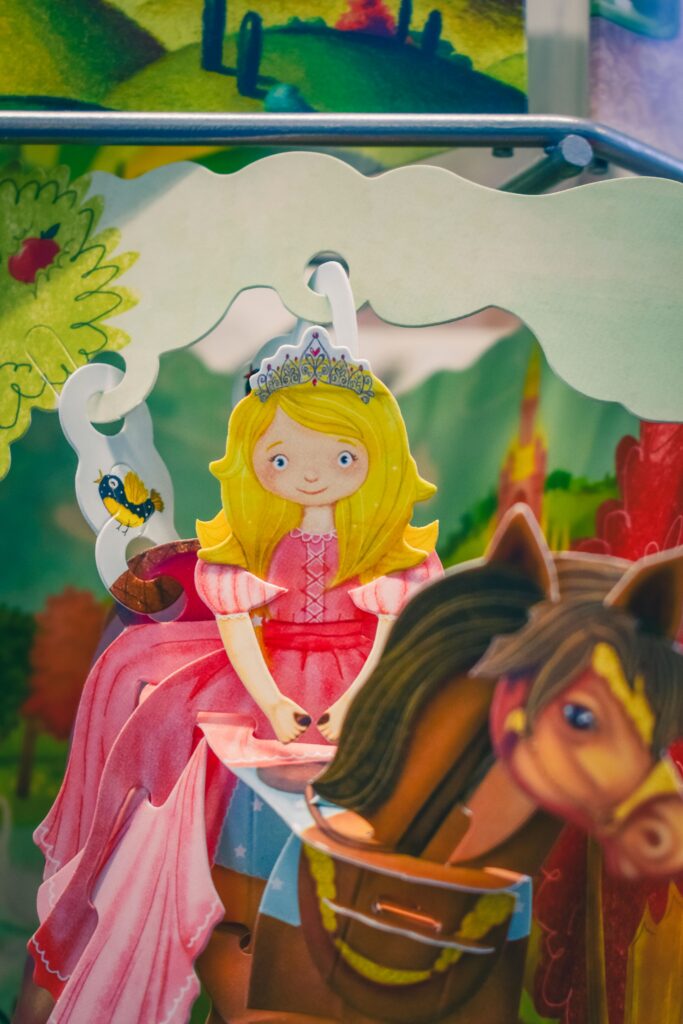
Instead of banning traditional stories, we as educators can use them as a starting point for critical thinking. Young children love the magic behind fairy tales and that engagement serves as our hook. Once students are fully engaged introduce targeted questions that challenge societal norms. You can ask questions such as “Why does the prince get to make all the decisions?”, “Is beauty a requirement for being a good person?” or “What if the princess saves herself, or does the prince need rescuing?”. You will find that children are just as outraged as you are, often instantly spotting structural unfairness.
2. Validate Students’ Concerns
During a breakthrough moment in my classroom, I realised that children were naturally questioning these scenarios. We were reading Sleeping Beauty, and the moment the prince kissed her without asking, a little boy shouted out, “That’s a stranger! You’re not supposed to touch people when they are asleep!”. It completely stopped the reading. Whenever we read stories, they routinely asked questions such as “Why don’t they have jobs? Is she crazy marrying a man she doesn’t know?”. When students ask questions and voice concerns, don’t brush them off to finish the book or keep up with the timings of the curriculum. Instead, pause and let them lead the discussion. When we allow our students to steer the conversation, we show them that their instincts about justice are correct and they shift from passive listeners to agents of change.
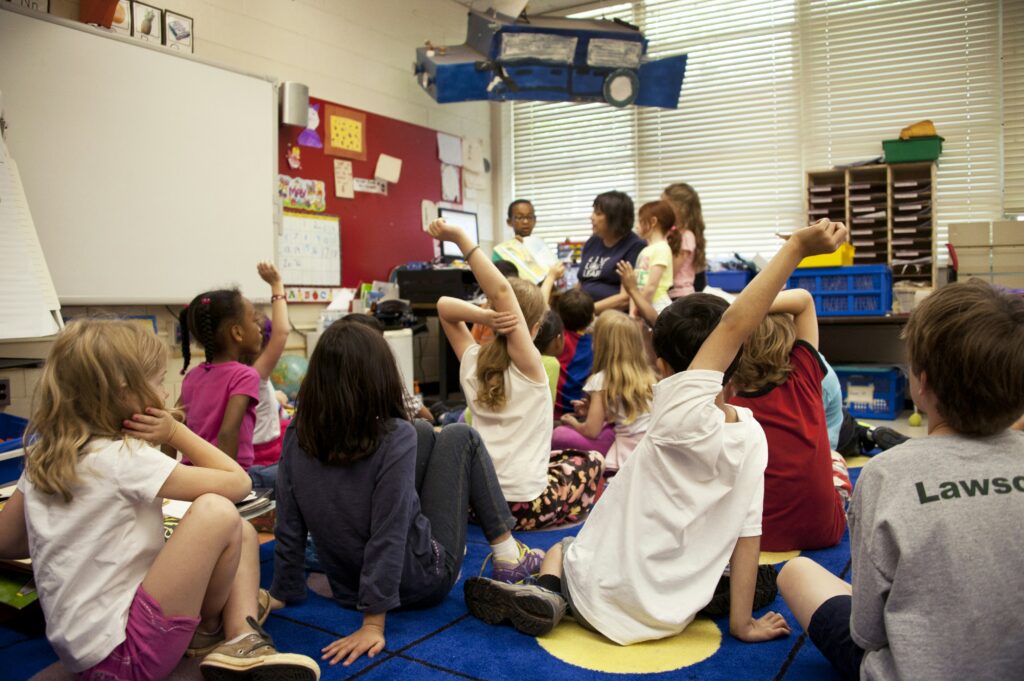
In my own classroom, I have introduced further activities whereby students have a bell and when we are reading a traditional tale, they ring the bell whenever they notice something unjust. We pause throughout the story to unpack our thoughts, feelings, and the wider systems that make these situations seem normal. Overall, we can use their scepticism to initiate open discussions on real-world issues such as consent, racism and rigid gender conformity.
3. Introduce Counter-Narratives
Pair traditional tales with unconventional, modern adaptations to show students that narratives can be rewritten. Use classic feminist texts such as Robert Munsch’s The Paper Bag Princess, where Princess Elizabeth rescues an ungrateful and judgmental prince and then promptly ditches him to flee with the dragon, to dismantle female submission. To support boys, introduce stories such as The Story of Ferdinand, the gentle bull who prefers to smell flowers rather than fighting, to explicitly validate that boys do not have to be aggressive or tough to be the hero.

Students can take a traditional story and rewrite the ending, giving them a chance to go from passive listeners to agents of change.
Thirteen years ago, I thought teaching fairy tales would be a professional life sentence. Today, I see them completely differently. They provide a safe space where young children can explore the vital skills of challenging societal norms. As feminist educators, we will always encounter lessons and materials that conflict with our personal morals, but this is where the real work begins. By being open and inviting our students to question, speak up, and flip the script, we can help ensure their own happily ever after is one of their own choice and making.
Images:
Image by Fathromi Ramdlon from Pixabay
Picture by Chris F from Pexels
Photo by CDC on Unsplash
Photo by Yan Krukau on Pexels
Want to write for us? Find out more here!